

YOU!
Your journey is still being written.
An 11-year-old may walk through the doors of VFW Post 9473 nervous, unsure of himself and wondering whether he will know anyone. Years later, that same Scout may stand before a team he brought together, explain a plan, adapt when it changes and complete an Eagle Scout project that serves others. The badge matters. The person he becomes while earning it matters even more.
There is no single moment when a young Scout becomes a leader. The change happens through years of being welcomed, trying difficult things, helping others and discovering that people can count on him.
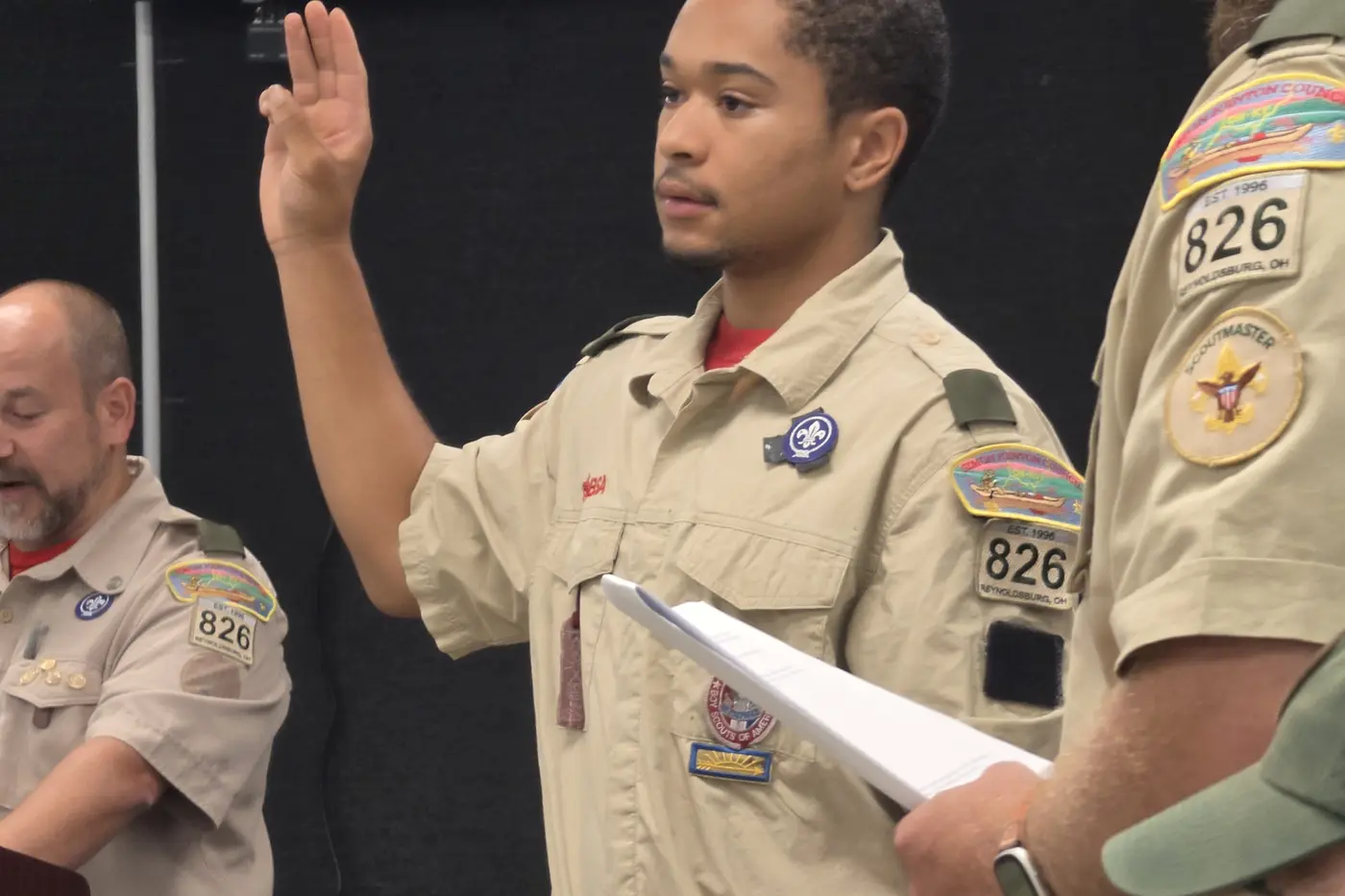
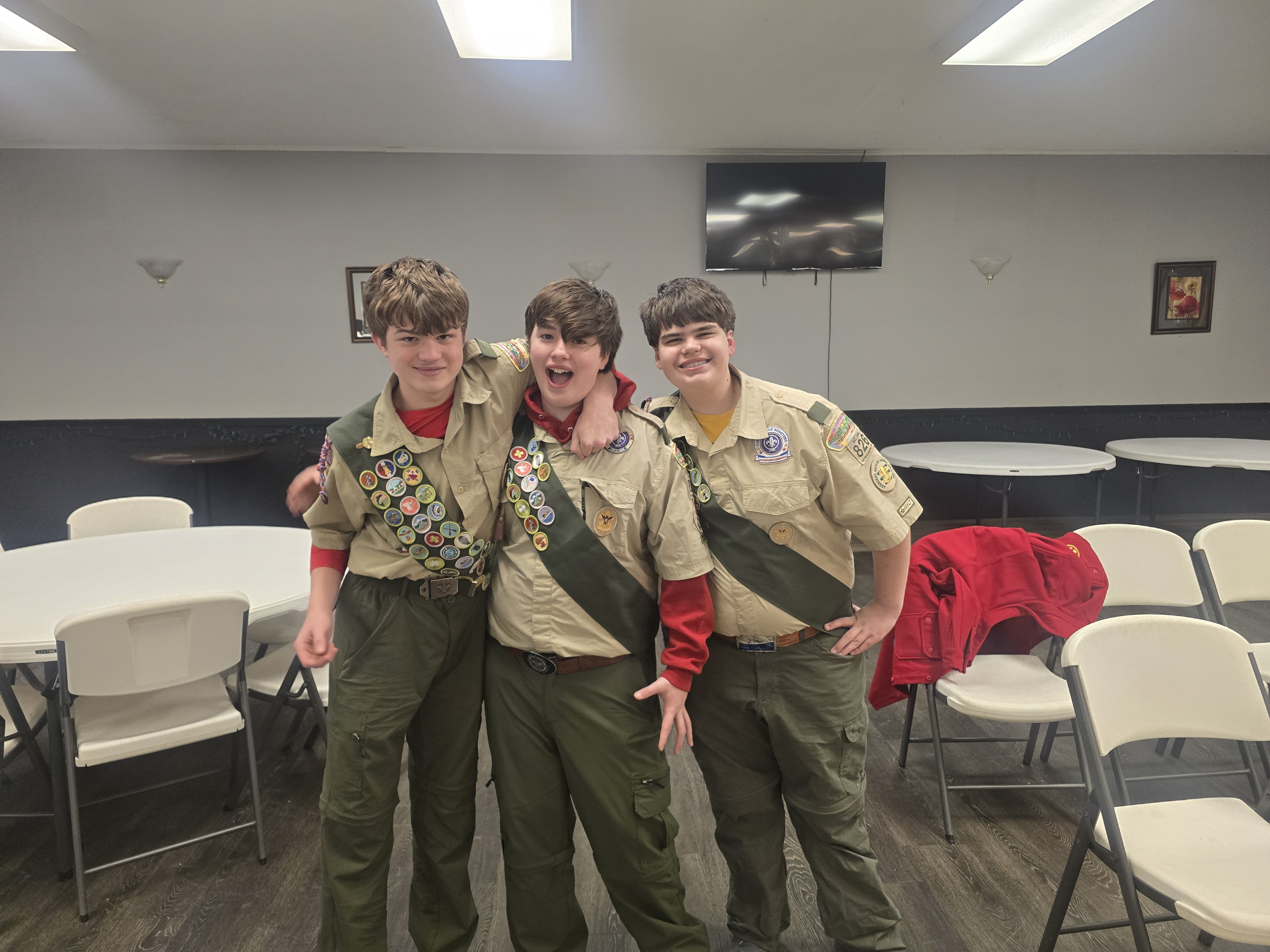

At first, someone shows him where to stand, how to pack and what to do when he is unsure. He learns to pitch a tent, cook with his patrol, recover from mistakes and finish what he started.
As he grows, the responsibilities grow with him. He teaches a skill instead of waiting to be taught. He helps plan the outing. He listens when another Scout is struggling. He leads a patrol, speaks in front of the troop and makes decisions that affect people besides himself.
Adults are still nearby to guide him, but they do not take the work away. The confidence is real because the responsibility is real—and because he earned it himself.
An Eagle project asks a Scout to turn concern for his community into organized action. He identifies a need, listens to the people he will serve, develops a plan, communicates it, gathers people and materials, and leads the work.
Then reality tests the plan. Weather changes. Materials arrive late. A task takes longer than expected. The Scout must answer questions, adjust, keep people working safely and bring the project to completion. That is why the finished project represents more than hours of service: it shows that a young person can accept responsibility for something larger than himself.
Begin by listening and understanding whom the project should serve.
Turn an idea into materials, people, timing, permissions and a workable path forward.
Explain the work, delegate responsibility and help others succeed together.
Adapt when the plan changes, take responsibility and leave something useful behind.
The older Scout standing at the end of his project is still the same person who first walked into the VFW—but he knows himself differently now.
He has spoken when it would have been easier to stay quiet. He has led friends who did not always agree. He has learned that preparation matters, that mistakes can be repaired and that leadership is less about being in charge than being responsible for other people.
And when the next nervous 11-year-old walks through the door, he can be the person who notices, welcomes him and says, “You can sit with us.” That may be the clearest sign of how far he has come.
Each name represents years of small choices, difficult lessons, patient mentors, supportive families, faithful friends and a young man who kept moving forward.
Your journey is still being written.
Eagle Scouts leave Troop 826 knowing that leadership is something they practice, service is something they owe and character is revealed in ordinary decisions. The rank belongs to them for life—but its purpose is found in what they do next.
Visit a regular Thursday meeting, meet Scouts and leaders, and see the program for yourself.
Visit a Meeting →